

A desert dune buggy rental can add an outdoor adventure to a Dubai trip, offering a chance to explore sandy landscapes away from the city’s busy streets. For travelers who enjoy active experiences, riding a buggy across suitable desert terrain provides a different way to see the region. The key is to choose a tour that matches your comfort level, schedule, and budget. Before booking, take time to compare vehicles, check what each package includes, and understand the safety requirements. A little preparation can help you avoid surprises and enjoy the experience with realistic expectations. Why Include a Buggy Ride in Your Dubai Trip? Dubai offers more than modern architecture, shopping destinations, and city attractions. Its surrounding desert provides a setting for outdoor activities, photography, and guided excursions. A dune buggy is built for off-road driving, with a design suited to appropriate sandy terrain. Depending on the package, you may drive the vehicle yourself or travel as a passenger. Some tours focus on shorter introductory rides, while others offer longer sessions. The experience can suit couples, groups of friends, and travelers looking for something different from a conventional sightseeing tour. However, desert driving involves uneven surfaces and changing conditions, so it is important to select an activity that fits your experience and comfort level. How to Choose the Right Rental Package Comparing several details before booking can make it easier to select a suitable tour. Consider the Ride Duration Check the actual driving time rather than relying only on the total excursion length. A package may include check-in, equipment fitting, safety instructions, and transportation in addition to time spent driving. If you have other activities planned, leave enough room in your schedule for the complete experience. Confirm the expected start time and approximate return time with the operator. Check the Vehicle and Seating Buggy models differ in power, design, and seating capacity. Some are intended for one driver, while others allow a passenger to ride alongside. Before making a reservation, confirm the vehicle type and whether the package allows you to drive independently. Ask about minimum driver age, passenger age restrictions, and licence requirements. These details are particularly important when traveling with children or a mixed-age group. Compare Prices and Inclusions A lower advertised price does not always mean better value. Check whether the package includes safety equipment, a guide, refreshments, hotel transfers, or photographs. Ask whether the quoted price is per person or per vehicle. You should also check for additional charges, deposit requirements, payment methods, and cancellation conditions. Comparing the full package details helps you understand what you are paying for. What to Check Before Booking The meeting point can affect how easily a desert excursion fits into your travel plans. Some operators arrange transportation, while others require visitors to reach a designated location themselves. When comparing dune buggies Dubai options, review the vehicle choices, riding duration, package inclusions, and safety arrangements before confirming a booking. Make sure you understand what happens if the operator needs to change the schedule because of weather or desert conditions. Customer reviews can also help you evaluate a provider. Look for specific feedback about communication, vehicle condition, the clarity of instructions, and whether the advertised experience matched what customers received. Before the activity, save your booking confirmation and the operator’s contact details. Confirm the meeting location and arrival time so you know where to go and what to expect. What to Wear for a Desert Buggy Adventure Comfortable clothing can make an outdoor ride easier to manage. Lightweight trousers, a breathable shirt, and closed-toe shoes are practical choices for sandy conditions. Dubai can be sunny for much of the year, so consider bringing sunscreen and sunglasses for use when appropriate. Follow the operator’s guidance about helmets, eye protection, and other protective equipment. Ordinary sunglasses may not provide the protection required for off-road driving. Dust can settle on clothing and personal belongings, so avoid bringing items that could be easily damaged. Keep valuables secure and carry drinking water, especially during warmer weather. The operator should explain which equipment is provided and what you need to bring yourself. Check these details before leaving your accommodation. When Is a Good Time to Ride? The most comfortable time for a desert excursion depends on the season, weather, and your personal schedule. Dubai’s cooler months are generally more suitable for spending extended periods outdoors. During hotter months, temperatures can make desert activities more demanding, so check the forecast and ask the operator about suitable tour times. Morning rides can work well for travelers who prefer to finish an activity early. Late-afternoon tours may offer softer light for photographs, although the experience will depend on the weather and route. There is no need to pack the day too tightly. Allow time for transportation, registration, the safety briefing, and the ride itself. A flexible schedule makes it easier to manage delays without affecting the rest of your plans. Read more: 5 Benefits of Going on Off-Road Jeep Tours Safety Advice for First-Time Riders Driving over sand requires different skills from driving on paved roads. Loose surfaces and changing slopes can affect traction, steering, and braking. Even experienced motorists should listen carefully to the instructions provided for the specific vehicle. Keep these basic precautions in mind: A guided tour does not remove every risk associated with off-road driving. Choose a provider that explains its procedures clearly, maintains its vehicles appropriately, and takes safety seriously. Plan the Rest of Your Day Around the Ride A desert buggy excursion can fit alongside sightseeing, dining, beach visits, and cultural attractions in Dubai. To keep the day manageable, consider where the tour starts and how long the full activity will take. If transportation is not included, arrange your journey to and from the meeting point in advance. Avoid scheduling the ride too close to a flight or another reservation with a fixed start time. Travelers with limited time may prefer a shorter session, while those with a flexible itinerary can compare longer options.
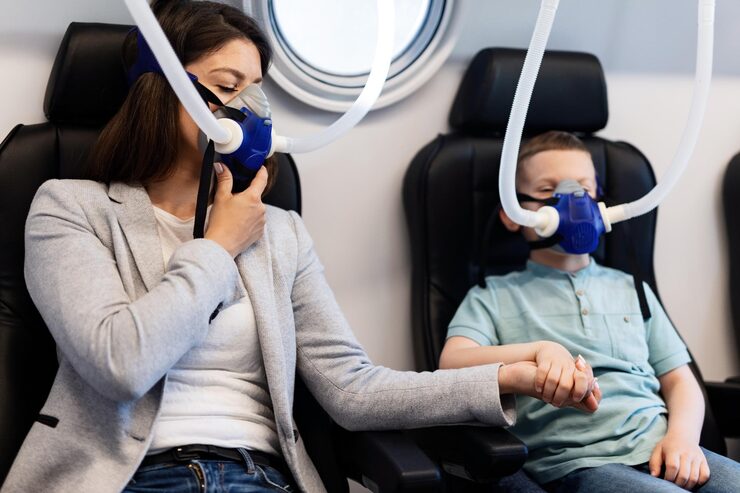
CARES Harness: Complete Guide to the Child Aviation Restraint System
Traveling by airplane with a young child can be challenging, especially when parents want additional protection without carrying a bulky car seat through the airport. A cares harness is a compact child aviation restraint designed specifically for use on an aircraft seat. It works together with the airplane’s existing seat belt and adds shoulder restraint to help secure a young child during flight. The system is FAA-approved for qualifying children and is designed for children weighing approximately 22 to 44 pounds and under 40 inches tall. What Is a CARES Harness? CARES stands for Child Aviation Restraint System. It is a harness-style child safety device designed for use during air travel. Unlike a conventional car seat, the device does not create a separate seat structure. Instead, it attaches to the airplane seat and works with the aircraft’s existing lap belt. The system includes straps that extend around the upper portion of the aircraft seat and shoulder straps that help secure the child’s upper body. The main purpose is to provide a child with additional restraint while allowing parents to avoid transporting a full-size car seat through the airport. AmSafe describes CARES as an FAA-approved aviation child safety device designed for children who can sit upright in their own aircraft seat. Who Can Use a CARES Harness? The standard CARES system is designed for children who meet specific size and developmental requirements. The commonly stated range is: The weight and height requirements are important because the restraint is specifically engineered around this range. Parents should not assume that being within the age range automatically makes a child eligible. Physical size, ability to sit independently, aircraft seat configuration, and airline policies can also matter. CARES Harness Weight and Portability One of the biggest advantages of this system is portability. A conventional car seat can be difficult to carry through a busy airport, especially when a parent is also managing a stroller, diaper bag, carry-on luggage, and a child. CARES is considerably smaller and lighter. AmSafe states that the harness weighs about 11 ounces and can fit into a small carrying pouch. This makes it particularly appealing for families who want an aviation-approved restraint without carrying a large car seat. Portability Comparison Feature CARES Harness Traditional Car Seat Size Compact Bulky Weight About 11 ounces Usually considerably heavier Installation Uses aircraft seat and seat belt Installed directly on aircraft seat Airport transport Easy More difficult Storage Small pouch Takes considerable space Designed specifically for aircraft Yes Only certain approved car seats The best option depends on the child’s needs, the trip, and the equipment parents are comfortable using. How Does a CARES Harness Work? The system works by combining with the airplane’s existing seat belt. The upper strap goes around the aircraft seat, while the child’s body is secured with the harness and aircraft lap belt. The general installation process involves: The exact installation should always follow the manufacturer’s instructions for the specific device. The manufacturer provides installation guidance showing how the harness is positioned on standard aircraft seats and on seats with different tray-table configurations. Does a Child Need Their Own Seat? Yes. A CARES harness is designed to be used by a child occupying their own aircraft seat. It is not intended to be used with a child traveling as a lap infant. For example, an airline’s published CARES policy may require the child to have a separately purchased seat before the harness can be installed. Cathay Pacific specifically states that a separate seat must be purchased for a child using the device. This is an important consideration when planning the cost of a family flight. Parents should also tell the airline in advance if they intend to use a child restraint device. Is CARES FAA Approved? Yes. CARES is FAA-approved as an aviation child restraint system. AmSafe identifies CARES as the first and only harness-type Aviation Child Safety Device certified by the FAA for this purpose. FAA-related guidance identifies the CARES system as an approved harness-type restraint for children weighing between 22 and 44 pounds and under 40 inches tall. However, FAA approval does not mean every seat on every aircraft is automatically suitable. The airline’s own procedures and the specific aircraft configuration still need to be considered. Is a CARES Harness Safer Than a Seat Belt? A standard airplane seat belt is designed primarily for adults and larger passengers. Young children may not fit properly within an adult-sized lap belt. A child aviation restraint is designed to provide additional upper-body support for children within its approved size range. However, parents should avoid treating one device as universally better than another. The correct choice depends on the child, aircraft, airline, and approved equipment. A properly certified and correctly installed restraint is more important than simply choosing a particular product. For parents traveling with a young child, an approved car seat can still be an excellent option, particularly when the same seat will also be needed for transportation after landing. CARES Harness vs Car Seat The choice between the two often comes down to convenience and the child’s needs. CARES Advantages A CARES system can be attractive because it is: Car Seat Advantages A certified child restraint seat can provide advantages beyond the airplane journey. Parents may want a car seat if they need it: A car seat can therefore serve two purposes, while a CARES system is specifically focused on aviation travel. CARES Harness and Airline Policies One of the most important things to understand is that FAA approval and airline acceptance are not the same thing. The device is FAA-approved, but airlines can have their own procedures regarding: For example, Cathay Pacific provides specific requirements for CARES, including restrictions on certain seats and aircraft configurations. It also states that the harness cannot be used in an exit row. This means parents should check the airline’s policy before arriving at the airport. Can You Use CARES in Any Airplane Seat? No. Exit-row seats are not appropriate for use with
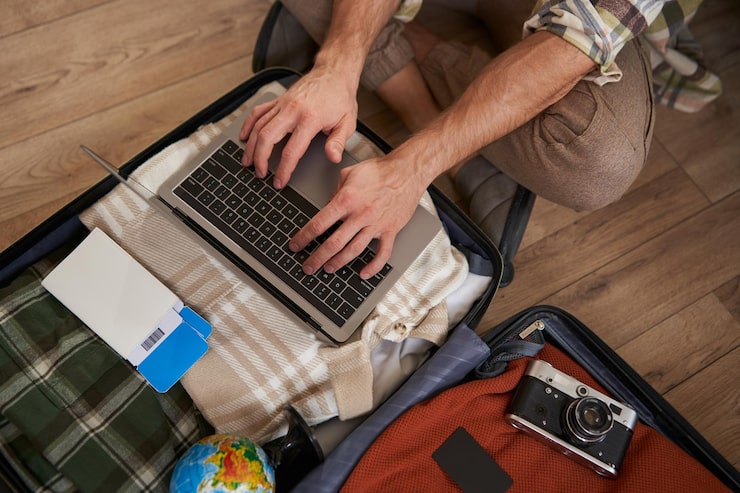
Laptop in Checked Luggage: Rules, Risks, and Safe Packing Tips
Travelers often wonder whether putting a laptop in checked luggage is allowed when flying. In the United States, the Federal Aviation Administration recommends carrying laptops and other lithium-battery-powered devices in carry-on baggage because cabin crews can respond more quickly if a lithium battery overheats or catches fire. A laptop may be placed in checked baggage under certain conditions, but it must be completely powered off and protected from accidental activation and damage. Airlines can also impose stricter requirements than the general regulations. Knowing the rules before arriving at the airport can help travelers avoid delays, protect expensive electronics, and reduce battery-related safety risks. Can You Put a Laptop in Checked Baggage? In the United States, a laptop containing a lithium-ion battery can generally be transported in checked baggage if it meets applicable battery restrictions and is completely powered off. It must also be protected against accidental activation and physical damage. However, the FAA recommends carrying laptops in the cabin whenever possible. The reason is primarily safety: lithium-ion batteries can experience thermal runaway, which can cause overheating, smoke, or fire. A problem involving a device in the passenger cabin can be detected and addressed more quickly than one located in the aircraft’s cargo compartment. Therefore, allowed does not necessarily mean recommended. Carry-On vs. Checked Baggage Factor Carry-On Checked Baggage Laptop with installed battery Recommended Permitted under conditions Device accessibility Easy to access Not accessible during flight Battery fire response Easier for crew to identify More difficult to detect and manage Risk of physical damage Generally lower Higher Risk of theft or loss Generally lower Higher FAA recommendation Preferred Only when necessary and properly packed Why Are Laptops Recommended in Carry-On Bags? Most modern laptops use lithium-ion batteries. These batteries are lightweight and provide substantial energy, but they can become hazardous if damaged, overheated, defective, or improperly handled. The FAA explains that lithium-ion batteries can undergo thermal runaway. This process can happen because of damage, overheating, water exposure, overcharging, improper protection, or certain manufacturing defects. Keeping a laptop in the cabin provides an important safety advantage. If a device begins to: the passenger or cabin crew can identify the problem and take action. This is much more difficult when the device is inside checked baggage in the aircraft’s cargo compartment. What Happens if a Laptop Must Be Checked? Sometimes passengers cannot keep their laptop with them. For example, an airline may require a larger carry-on bag to be checked at the gate because of limited cabin space. If this happens, passengers should remove their laptop and other lithium-battery-powered electronics when possible and keep them in the cabin. The FAA specifically advises passengers to remove spare batteries and lithium-battery-powered devices when a carry-on bag is checked at the gate or planeside. If a laptop must genuinely travel in checked baggage, it should be: Sleep mode is not the same as completely powering off the computer. Do Not Leave Your Laptop in Sleep Mode One common mistake is placing a laptop in checked baggage while it is in sleep mode. Sleep mode does not necessarily mean the computer is completely powered down. The device may continue consuming battery power or potentially activate under certain circumstances. The FAA guidance specifically says portable electronic devices placed in checked baggage must be completely powered off rather than left in a mode that allows operation. Before packing a laptop, shut it down completely. Then wait a moment and make sure the screen is off and the device is no longer operating. How to Pack a Laptop Safely If checking a laptop cannot be avoided, careful packing is important. Use a Protective Sleeve Place the laptop inside a padded sleeve before putting it into the suitcase. A sleeve can protect the device from scratches, pressure, and minor impacts. Position It Between Soft Items Place the protected laptop between clothing or other soft materials. Avoid placing heavy objects directly on top of it. Prevent Movement A laptop that moves around inside a suitcase is more likely to experience impact damage. Use clothing or packing material to prevent excessive movement. Protect the Screen Do not place shoes, books, toiletry bags, or other hard objects directly against the laptop display. The screen is one of the more vulnerable components. Keep It Powered Off Completely shut down the laptop before closing the suitcase. Do not rely only on sleep mode. What About Laptop Chargers? A laptop charger is different from the laptop’s built-in battery. The charger itself does not usually contain the same large lithium battery that creates the primary baggage concern. Standard charging cables and wall adapters can generally be packed with other personal belongings, subject to airline rules. However, travelers should distinguish a charger from a power bank. A traditional laptop charger: A power bank: Can You Put a Laptop Power Bank in Checked Luggage? No. Spare lithium batteries and power banks must not be packed in checked baggage under FAA passenger-baggage rules. They must remain with the passenger in the aircraft cabin. This distinction is particularly important for people traveling with laptops. A traveler may have: These items do not necessarily have the same baggage requirements. Item Carry-On Checked Baggage Laptop with installed battery Yes Yes, under conditions Laptop charger Yes Generally allowed Charging cable Yes Generally allowed Power bank Yes No Spare lithium laptop battery Yes No Damaged lithium battery No No Airlines may impose additional restrictions, so passengers should check their carrier’s rules before traveling. What Is the 100 Wh Battery Rule? Lithium-ion batteries are commonly regulated according to watt-hours, abbreviated as Wh. The FAA states that rechargeable lithium batteries with a capacity of 0 to 100 Wh are generally allowed on passenger aircraft. Batteries between 101 and 160 Wh may require airline approval, while batteries exceeding 160 Wh are prohibited for passenger-aircraft use under these rules. Most ordinary consumer laptops fall within the commonly permitted range, but travelers should check the battery rating when uncertain. How to Calculate Watt-Hours If the battery label provides volts and

Employee Travel Risk Management: A Complete Guide to Safer and More Effective Business Travel
Employee travel risk management has become an essential part of modern corporate operations as businesses increasingly send employees across cities, countries, and continents. Business travel can create valuable opportunities for meetings, partnerships, conferences, training, sales, and international expansion. However, employees may also encounter transportation problems, health emergencies, natural disasters, political instability, cybersecurity threats, and other unexpected situations while away from their usual workplace. A structured approach to travel risk allows organizations to prepare employees before departure, monitor relevant situations during a trip, and provide appropriate assistance when something goes wrong. Effective planning does not mean eliminating every possible risk. Instead, it focuses on identifying potential problems, assessing their impact, communicating useful information, and establishing clear procedures for responding to incidents. As business travel becomes more international and complex, companies need practical policies that protect employees while also supporting business continuity. A well-designed program can provide travelers with clear guidance and give organizations a structured way to respond to changing circumstances. What Is Employee Travel Risk Management? Employee travel risk management refers to the policies, procedures, resources, and technologies businesses use to identify and address risks associated with employees traveling for work. It covers the period before departure, the time employees are traveling, and the process of supporting them after an incident. Travel risks can vary significantly depending on the destination, purpose of travel, employee profile, transportation arrangements, season, and duration of the trip. A short domestic trip may involve relatively straightforward considerations, while international travel may require additional planning around documentation, local regulations, communication, transportation, and emergency assistance. A corporate travel risk program generally involves several connected activities, including risk assessment, traveler education, communication, monitoring, emergency response, and post-trip review. Key Elements of Travel Risk Management Why Travel Risk Management Matters for Businesses Employees represent an important part of an organization, and businesses have responsibilities toward people traveling on company business. When employees are sent to unfamiliar locations, they may face circumstances that would be less likely in their normal working environment. A strong travel risk program helps businesses prepare for foreseeable situations rather than reacting without a plan. Employees can receive information about local conditions, emergency contacts, transportation procedures, and company expectations before leaving. Travel risk management can also improve communication. Employees should know whom to contact if a flight is disrupted, an emergency occurs, or they need assistance. Likewise, the organization should know how to communicate with travelers when circumstances change. From an operational perspective, preparedness can reduce disruption. If an employee becomes unavailable because of an unexpected event, a predefined response process can help managers coordinate replacements, communicate with clients, and maintain important operations. Common Risks Faced by Business Travelers Business travel involves many different categories of risk. Some are relatively common, while others are rare but potentially serious. Transportation disruption is one of the most familiar challenges. Flight cancellations, delays, road closures, strikes, and missed connections can affect meeting schedules and create additional expenses. Health-related concerns may also arise during travel. Employees can experience illness, accidents, or medical emergencies, making access to appropriate assistance important. Environmental events can create additional challenges. Severe weather, earthquakes, floods, extreme temperatures, and other natural events may affect transportation and accommodation. Cybersecurity is another important consideration. Employees using public Wi-Fi, unfamiliar networks, shared computers, or unsecured devices may expose company information to unnecessary risks. Common Business Travel Risks Risk Category Examples Possible Business Impact Transportation Delays, cancellations, road closures Missed meetings and schedule changes Health Illness, injury, medical emergencies Employee absence and additional costs Environmental Storms, floods, earthquakes Travel disruption and evacuation needs Security Theft, crime, local security incidents Personal and business risks Cybersecurity Unsafe networks, phishing, device loss Data exposure Documentation Lost passports, visa problems Delayed or interrupted travel Communication Connectivity problems Difficulty receiving assistance Building an Effective Travel Risk Policy A corporate travel risk policy should be clear enough for employees to understand and practical enough for managers to implement. It should explain the company’s expectations before and during business travel. The policy can define approved booking methods, required travel documentation, emergency contacts, communication expectations, accommodation guidelines, transportation rules, and procedures for reporting incidents. Companies should also identify responsibilities. Employees need to understand what they are expected to do, while managers and travel teams need to know when and how to provide assistance. A policy should not be static. Travel patterns, technologies, destinations, and business operations change over time. Regular reviews can help organizations update procedures based on experience and emerging risks. Assessing Destination Risk Before Travel Pre-trip assessment is one of the most important parts of a travel risk program. Before an employee travels, organizations can review relevant information about the destination and determine whether additional precautions are necessary. Factors may include local transportation conditions, weather, health considerations, security conditions, regulatory requirements, and the availability of emergency services. Risk assessment should also consider the purpose of the trip. An employee visiting a major business district may have a different risk profile from someone traveling to a remote project location. Pre-Travel Risk Assessment Checklist Before departure, organizations can consider: Employee Training and Travel Safety Awareness Employees are an important part of any travel risk program. Even a well-designed corporate policy cannot work effectively if travelers do not understand what they should do. Pre-trip training can cover practical subjects such as recognizing common scams, protecting company devices, maintaining communication, handling documents, responding to emergencies, and following company reporting procedures. Training should be relevant to the destination and type of travel. Employees traveling frequently may benefit from regular refresher sessions, while occasional travelers may need concise guidance before departure. The goal should be to provide practical information rather than overwhelm employees with unnecessary instructions. Technology in Travel Risk Management Technology can help organizations manage travel information and communication more efficiently. Modern corporate travel systems can connect booking information with traveler profiles, itineraries, alerts, and communication channels. Travel monitoring tools can help organizations identify employees who may be affected by significant events. When appropriate, companies can use this information to communicate

Hiking in Spain: A Complete Guide to Trails, Landscapes, and Outdoor Adventures
Hiking in Spain offers an impressive combination of mountains, coastlines, forests, valleys, volcanic landscapes, and historic countryside. The country’s geographical diversity means hikers can find everything from gentle coastal walks and countryside paths to demanding high-altitude mountain routes. Spain’s different regions also provide dramatically different scenery, making it possible to plan several hiking trips without repeating the same type of landscape. Whether you enjoy short day walks, long-distance trails, mountain trekking, or scenic routes near historic villages, Spain provides plenty of opportunities to explore the outdoors at your own pace. Why Spain Is a Great Hiking Destination Spain’s varied geography is one of its biggest advantages for hikers. The country contains several major mountain systems, Mediterranean coastlines, high plateaus, forests, valleys, and islands with unique landscapes. This diversity means hikers can choose an environment based on their interests and experience. Someone looking for challenging mountain terrain can explore the Pyrenees, while a traveler seeking a relaxed coastal walk can choose routes along the Mediterranean or northern coastline. Spain also has an extensive network of walking paths, rural trails, protected natural areas, and long-distance routes. Many routes pass through villages and historic landscapes, allowing hiking to become part of a broader cultural experience. Hiking in the Pyrenees The Pyrenees are among Spain’s most impressive mountain regions. Stretching along the northern part of the country, the range offers dramatic peaks, alpine valleys, lakes, forests, and rugged terrain. Hiking routes in the Pyrenees vary from relatively accessible day walks to demanding multi-day mountain adventures. Elevation gain and weather conditions can significantly affect difficulty. The region is particularly appealing during warmer months when many higher routes become more accessible. However, conditions can change quickly in the mountains, so hikers should always prepare appropriately. For experienced hikers, the Pyrenees provide opportunities to explore remote landscapes and challenging terrain. Beginners can also find shorter routes in lower-elevation areas. Picos de Europa Northern Spain is home to the spectacular Picos de Europa, a mountain region known for steep limestone peaks, deep valleys, green landscapes, and dramatic viewpoints. The terrain can feel rugged and mountainous, but the area contains routes with different difficulty levels. Hiking here provides an opportunity to experience a landscape that differs significantly from the warmer Mediterranean regions. The combination of mountains, traditional villages, pastureland, and distinctive rock formations creates a memorable setting. Weather can be unpredictable, especially in mountainous areas, so checking conditions before setting out is essential. Sierra Nevada Hiking Sierra Nevada in southern Spain offers a very different mountain experience. It contains some of the country’s highest peaks and provides extensive opportunities for high-altitude hiking. The landscape changes with elevation, creating different environments along mountain routes. Lower sections may feature vegetation and open landscapes, while higher areas can become much more exposed. Altitude should be considered when planning longer routes. Travelers who are not accustomed to higher elevations may need additional time to adjust. Sierra Nevada can be an excellent choice for experienced hikers looking for challenging mountain terrain while also enjoying the culture and climate of Andalusia. Hiking in Andalusia Andalusia offers a wide variety of hiking experiences. The region includes mountains, white villages, Mediterranean landscapes, forests, gorges, and rural countryside. One of the advantages of hiking in Andalusia is the ability to combine outdoor activities with cultural exploration. A hiking trip can include visits to historic towns, traditional villages, local food experiences, and architectural attractions. The climate can be particularly warm during summer, especially in lower areas. For many routes, spring and autumn can provide more comfortable conditions for extended walks. Camino de Santiago The Camino de Santiago is one of Spain’s best-known long-distance walking experiences. Rather than being one single route, the Camino includes several pilgrimage routes leading toward Santiago de Compostela. Different routes vary in length, terrain, scenery, and cultural character. Some pass through rural landscapes, forests, mountains, villages, and historic towns. The Camino can appeal to both experienced long-distance hikers and travelers who want a slower journey through Spain. It is possible to walk only part of a route rather than completing an entire pilgrimage. The social aspect can also be an important part of the experience, as walkers from different countries often share sections of the trails. Coastal Hiking in Spain Spain’s extensive coastline creates numerous opportunities for scenic coastal walks. Mediterranean routes often combine rocky cliffs, beaches, small coves, and clear water. Northern coastal areas can offer greener landscapes, rugged cliffs, and a cooler atmosphere. Coastal hiking can be particularly enjoyable because it combines physical activity with changing scenery. However, cliff edges require caution, especially during strong winds or wet weather. Some coastal trails connect villages, allowing hikers to combine walking with local food and cultural experiences. Hiking on the Canary Islands The Canary Islands provide some of Spain’s most distinctive hiking landscapes. Their volcanic origins have produced craters, lava formations, rugged peaks, valleys, and unusual rock formations. Tenerife is especially well known for mountain landscapes and volcanic terrain. Other islands also provide routes through forests, cliffs, and volcanic environments. The climate varies by island and elevation, so hikers should not assume that conditions will be identical everywhere. Volcanic terrain can also be physically demanding. Loose rock, steep slopes, exposed areas, and changing weather can influence route difficulty. Hiking in Mallorca Mallorca is often associated with beaches and tourism, but the island also has impressive mountain and coastal hiking opportunities. The Serra de Tramuntana provides a particularly attractive setting, with rugged mountains, stone paths, terraced landscapes, villages, and Mediterranean views. Mallorca works well for travelers who want to combine hiking with relaxation. A trip can include several active days followed by time at the coast. Spring and autumn can be attractive seasons for hiking because temperatures may be more comfortable than during the hottest part of summer. Spanish National Parks Spain’s protected natural areas provide many hiking opportunities. National parks and other protected landscapes can include mountains, wetlands, forests, volcanic terrain, and coastal environments. Walking in protected areas offers an opportunity to observe wildlife,

Best Gifts for Travelers Women: Thoughtful Ideas for Every Journey
Finding the right gift for someone who loves to travel can be easier when you focus on items that combine usefulness, comfort, organization, and personal style. The best gifts for travelers women are not necessarily the most expensive products. A thoughtful travel gift can make packing easier, improve comfort during long journeys, help someone stay organized, or add a personal touch to future adventures. Whether she frequently takes international vacations, enjoys weekend road trips, travels for work, or loves spontaneous getaways, there are many gift categories worth considering. The best choice depends on her travel habits, destination preferences, packing style, and personality. Some travelers appreciate compact accessories that save space, while others prefer practical luggage, comfortable clothing, travel technology, or memorable keepsakes. Understanding how she actually travels can help you choose something she will use long after the trip is over. Travel Organizers Organization is one of the biggest challenges when preparing for a trip. Packing cubes can help separate clothing, accessories, and other belongings inside a suitcase. Different sizes can be used for different categories, making it easier to find specific items without unpacking everything. Travel organizers can also include toiletry bags, jewelry cases, passport holders, cable organizers, and compact pouches. A well-designed organizer can reduce clutter and make transitions between hotels much easier. For someone who travels frequently, durable organization accessories can become part of her regular packing routine. Comfortable Travel Accessories Long flights, train journeys, and road trips can be tiring. Comfort-focused gifts can therefore be particularly useful. A supportive travel pillow can make sleeping during transportation easier. A lightweight blanket or comfortable eye mask can also improve the experience during overnight journeys. Compression socks are another practical option for travelers who spend long periods sitting. Comfortable travel accessories are especially useful because they can be used repeatedly rather than only on one particular trip. Travel-Friendly Bags A versatile travel bag can be one of the most useful gifts for a frequent traveler. Depending on her style, this could be a lightweight backpack, crossbody bag, tote, weekender bag, or compact daypack. A good travel bag should provide convenient access to frequently used items while remaining comfortable to carry. Multiple compartments can be helpful for organizing phones, passports, wallets, chargers, sunglasses, and other essentials. For sightseeing, a compact crossbody or daypack may be more practical than a large handbag. Passport and Document Holders Travel documents need to remain secure and easy to access. A passport holder can keep a passport together with cards, boarding passes, or other small documents. For travelers who frequently cross borders, a well-organized document holder can make airport routines less stressful. Choose a design based on her personal style, but prioritize durability and easy access. A simple, compact holder may be more useful than a bulky design with unnecessary compartments. Portable Chargers A phone can be essential during travel for navigation, communication, boarding information, reservations, photography, and emergency situations. A portable power bank can therefore be a practical gift. It can provide additional battery capacity when access to a wall outlet is limited. When choosing one, consider size, weight, charging compatibility, and capacity. A travel-friendly model should be convenient to carry rather than so large that it becomes an unnecessary burden. Universal Travel Adapters International travelers may encounter different electrical outlet configurations depending on the destination. A universal travel adapter can help travelers connect compatible devices to local outlets. Some models also incorporate USB or USB-C charging ports, reducing the number of separate chargers needed. Before purchasing an adapter, check the devices she uses and the destinations she commonly visits. An adapter should match the electrical requirements of the countries where it will be used. Reusable Water Bottles A reusable water bottle can be useful for airports, road trips, hiking, sightseeing, and everyday travel. A good travel bottle should be durable, easy to clean, and convenient to carry. A leak-resistant lid is particularly important when the bottle will be placed inside a backpack or suitcase. Collapsible bottles can be useful for travelers who want to reduce the amount of space occupied when the bottle is empty. Travel Toiletry Bags A dedicated toiletry bag can help keep personal-care products organized during trips. Look for a design with separate compartments for items such as skincare products, hair accessories, dental-care products, and cosmetics. Hanging toiletry bags can be especially convenient in smaller bathrooms because they can provide access to products without requiring everything to be placed on a countertop. Travel Jewelry Cases Jewelry can become tangled or misplaced during travel. A compact jewelry case with separate compartments can help protect necklaces, earrings, rings, and bracelets. This can be particularly useful for travelers who like to coordinate accessories with different outfits. A small jewelry organizer takes up little luggage space and can be used for both short weekend trips and longer vacations. Comfortable Clothing Travel clothing should balance comfort, versatility, and appearance. A soft cardigan, lightweight jacket, comfortable scarf, versatile pants, or breathable top can become a reliable part of a travel wardrobe. Neutral and adaptable clothing can be especially useful because individual pieces can be combined into multiple outfits. For travelers who move between different climates, layering pieces can provide additional flexibility. Travel Footwear Comfortable shoes are essential for travelers who spend long days walking. Depending on her travel style, suitable gifts might include walking shoes, lightweight sneakers, sandals, or versatile footwear that works with several outfits. The best choice depends heavily on personal preference and fit. If you are unsure about her preferred shoe style or size, another travel accessory may be a safer gift. Travel Journals A travel journal offers a more personal alternative to purely practical gifts. She can use it to record destinations, memorable experiences, favorite restaurants, travel observations, or future plans. A journal can also become a long-term record of different journeys. Adding a personal note on the first page can make the gift more meaningful. Scratch-Off Maps and Travel Displays Travelers who enjoy documenting where they have been may appreciate

Girlfriend Spa Getaways: Relaxing Ideas for a Rejuvenating Girls’ Escape
Planning girlfriend spa getaways can be a wonderful way for friends to relax, reconnect, and enjoy quality time away from everyday responsibilities. A spa trip can combine comfortable accommodation, soothing treatments, enjoyable meals, and peaceful surroundings into one memorable experience. Whether the getaway lasts for a single day, an overnight stay, or an entire weekend, the right destination can provide an opportunity to slow down and focus on relaxation. Spa getaways do not have to follow one particular style. Some groups prefer luxurious resorts with extensive wellness facilities, while others enjoy small boutique spas, countryside retreats, or hotels with basic treatment packages. The best choice depends on the group’s budget, preferred activities, travel distance, and desired atmosphere. Planning together can help ensure that everyone enjoys the experience. Why Plan a Spa Getaway With Friends? A spa getaway provides an opportunity to take a break from busy schedules. Friends can enjoy relaxing treatments while also having time for conversation, dining, sightseeing, and other shared experiences. Unlike a typical vacation focused on visiting numerous attractions, a spa trip can have a slower pace. The goal can simply be to rest, enjoy comfortable surroundings, and spend uninterrupted time together. A group getaway can also become a memorable way to celebrate birthdays, milestones, reunions, or other special occasions. Choosing the Right Spa Destination The destination should suit the group’s preferred atmosphere. A resort in a natural setting may appeal to friends who want peace and quiet, while an urban spa hotel may be better for those who want access to restaurants, shopping, and entertainment. Travel time is another important consideration. For a short weekend, choosing a destination that is reasonably close can leave more time for treatments and relaxation. Before booking, compare the spa facilities, accommodation, dining options, activities, and overall environment. Day Spa Trips A day spa can provide many benefits without requiring an overnight stay. This option can be particularly convenient for friends who live relatively close to one another. A typical day could include massages, facials, relaxation areas, lunch, and time together before returning home. Day trips can also be more affordable because accommodation is not required. They are useful when everyone has limited availability but still wants to enjoy a shared experience. Weekend Spa Retreats A weekend retreat gives friends more time to relax. Arriving on Friday evening can allow the group to enjoy dinner before beginning spa treatments the following day. Saturday can include treatments, leisurely meals, pool or relaxation time, and optional activities. Sunday can be kept simple with breakfast and one final treatment before heading home. Leaving open periods in the schedule can help prevent the getaway from becoming too structured. Choosing Spa Treatments Spa treatments vary widely, so group members should discuss preferences before making reservations. Popular options can include massages, facials, body treatments, manicures, pedicures, and relaxation therapies. Not everyone needs to book the same treatment. Allowing each person to select something suited to their preferences can make the experience more enjoyable. It is also useful to check treatment durations and prices before booking so everyone understands the schedule and costs. Accommodation Options Accommodation can influence the overall atmosphere of the getaway. Hotels, resorts, boutique properties, countryside inns, and wellness retreats can all provide different experiences. A group may prefer rooms close together for convenience, while some friends may value individual rooms for privacy and rest. Consider room amenities, dining availability, spa access, transportation, and cancellation policies before making reservations. Pool and Wellness Facilities Many spa destinations offer facilities beyond treatments. Depending on the property, these may include swimming pools, saunas, steam rooms, fitness areas, gardens, relaxation lounges, or outdoor spaces. These amenities can give the group additional ways to spend time together between appointments. Check which facilities are included with the stay or treatment package because access policies can vary between properties. Dining During a Spa Getaway Food can be an important part of a girls’ getaway. A relaxing breakfast, leisurely lunch, afternoon refreshments, or dinner can provide opportunities for conversation and socializing. Some spa resorts have on-site restaurants, while others are located near a variety of dining options. If the group has dietary preferences or allergies, check menus and dining arrangements in advance. Adding Fun Activities A spa getaway does not have to consist entirely of treatments. Friends can combine relaxation with activities that everyone enjoys. Depending on the destination, options may include shopping, scenic walks, sightseeing, art galleries, local markets, cooking experiences, or casual outdoor activities. The key is to keep optional activities flexible so the group still has enough time to rest. Planning a Budget-Friendly Spa Trip Spa vacations can range from affordable day trips to luxury resort experiences. Establishing a group budget before booking can help avoid misunderstandings. Friends can save money by choosing a nearby spa, booking during quieter periods, selecting a limited treatment package, or sharing suitable accommodation. It can also be helpful to separate essential expenses from optional activities so everyone can make choices according to their preferences. Spa Getaways for Special Occasions A spa retreat can be suitable for birthdays, bridal celebrations, friendship anniversaries, reunions, or simply a planned break from routine. Special touches such as a group dinner, personalized decorations, a shared activity, or a small gift can make the occasion feel more memorable. However, elaborate planning is not necessary. Spending uninterrupted time together can be the most valuable part of the experience. Packing for a Spa Getaway Packing should be based on the destination and planned activities. Comfortable clothing, sleepwear, toiletries, suitable footwear, swimwear when appropriate, chargers, and personal essentials are useful starting points. Many spas provide robes, towels, slippers, or other items, but policies vary. Check the property information before packing so the group does not bring unnecessary items. Making Group Reservations Group spa appointments often require advance planning. Popular treatments may have limited appointment times, particularly on weekends. Contact the spa ahead of time to confirm availability, treatment durations, group arrangements, payment requirements, and cancellation policies. It can be useful to

East Coast Road Trip Routes: Scenic Drives and Memorable Stops
An East Coast road trip is a great way to explore a variety of landscapes, historic towns, coastal communities, major cities, and scenic attractions. Unlike a trip focused on one destination, a road journey allows travelers to discover places at their own pace and make spontaneous stops along the way. From New England villages to the beaches of the Southeast, there are countless East Coast road trip routes that can be customized according to your schedule, interests, and budget. Whether you have a long weekend or several weeks, careful planning can help you enjoy the journey as much as the destinations. Why Take an East Coast Road Trip? The East Coast offers remarkable variety within a relatively accessible region. Travelers can move between busy metropolitan areas, quiet coastal roads, mountain landscapes, historic towns, and beach communities. A road trip allows you to: Driving also makes it easier to reach destinations that may not be conveniently connected by public transportation. New England Coastal Road Trip A New England route can be ideal for travelers who enjoy charming towns, historic architecture, seafood, beaches, and scenic coastal landscapes. A possible route could include: Boston → Portsmouth → Portland → Bar Harbor Boston provides a convenient starting point with historic attractions, museums, restaurants, and waterfront areas. From there, travelers can head north toward Portsmouth before continuing to Portland. Bar Harbor and the surrounding coastal landscapes provide opportunities for hiking, sightseeing, and enjoying nature. Fall can be particularly attractive in New England because of the region’s colorful foliage, although summer is popular for coastal travel. New York to Washington, D.C. For a shorter trip, consider traveling through some of the major cities between New York and Washington, D.C. A possible itinerary includes: This route combines history, food, culture, museums, and urban attractions. Travelers can spend a few days in each city or choose specific attractions for a shorter trip. Because these cities are connected by major transportation corridors, this can be a convenient route for first-time East Coast travelers. Blue Ridge and Appalachian Route Travelers who prefer mountains and scenic landscapes can create a route through the Appalachian region. A possible journey might include sections of Virginia and North Carolina, with stops in mountain towns, overlooks, parks, and hiking areas. This type of road trip is particularly appealing to outdoor enthusiasts who want: Always check road conditions and seasonal closures before driving through mountainous areas. Charleston to Savannah Coastal Route A southern coastal road trip can provide a completely different experience. Charleston and Savannah are known for historic architecture, distinctive food, gardens, and walkable downtown areas. A relaxed itinerary could include Charleston, coastal South Carolina communities, and Savannah. Along the way, travelers can explore local restaurants, beaches, historic neighborhoods, and waterfront areas. This route works particularly well for couples and travelers who prefer a slower pace. Florida East Coast Road Trip Florida offers another popular option for an East Coast driving adventure. A route can begin around Jacksonville and continue south toward destinations such as Daytona Beach, Cocoa Beach, West Palm Beach, Fort Lauderdale, and Miami. Travelers can customize the journey based on their interests. Possible stops include: The southern part of Florida can become busy during peak travel periods, so accommodation and parking should be planned in advance. How Many Days Do You Need? The ideal length depends on your route. A weekend is enough for a short regional trip, while a longer journey allows you to explore several states. For a comfortable trip, avoid trying to cover too much distance every day. Spending more time in fewer destinations can make the experience less stressful. A useful approach is to divide the trip into: This gives you flexibility when weather, traffic, or unexpected stops change your plans. Budgeting for an East Coast Road Trip Road trips involve more than fuel costs. Your budget should account for accommodation, food, parking, tolls, attractions, and unexpected expenses. Before leaving, estimate: Traveling with several people can reduce the per-person cost of fuel and accommodation. Booking hotels outside expensive city centers may also help lower expenses. Best Time for an East Coast Road Trip The best travel season depends heavily on your chosen route. Spring and fall can offer comfortable temperatures in many areas, while summer is popular for beach destinations and northern coastal regions. Fall is especially attractive in parts of New England and the Appalachian region because of changing foliage. Winter can be more challenging in northern areas because of snow and ice, while southern coastal destinations may remain relatively comfortable. Check weather forecasts before departure and remain flexible when conditions are unfavorable. Essential Road Trip Planning Tips A little preparation can make a long drive much easier. Before leaving, inspect your vehicle and make sure important maintenance is up to date. Pack essentials such as: Download maps in advance if you expect to travel through areas with limited mobile service. Final Thoughts An East Coast road trip can be as relaxed or adventurous as you want it to be. You can explore historic cities, coastal beaches, mountain roads, charming towns, and natural attractions within the same broader journey. The key is choosing a route that matches your available time and interests. Rather than rushing from one destination to another, allow room for scenic stops and unexpected discoveries. With a flexible itinerary, realistic driving distances, and a carefully planned budget, an East Coast road trip can become an unforgettable way to experience the diversity of the region.
How to Evaluate an Unfamiliar Website Before Using It
The internet makes it easy to find information, services, and communities within seconds, but convenience should not replace judgment. A professional-looking website is not automatically reliable, and a familiar brand name does not guarantee that every page is safe or accurate. Evaluating a site involves checking its identity, security, content, and operating practices before sharing personal details or relying on its claims. Start with the Website’s Purpose First, identify what the website is designed to do. A clear purpose is usually stated through an about page, service description, or editorial policy. Vague language, unexplained promises, and pressure to act immediately may indicate that the site is more interested in collecting information than helping visitors. Consider whether the content matches the stated purpose. A site presenting itself as an educational resource should provide explanations supported by evidence, while a retail site should offer understandable product descriptions, pricing, delivery information, and return terms. When the purpose and content do not align, users should proceed carefully. Check Security and Ownership Details A secure connection is an important baseline. The address should normally begin with “https,” and browsers should not display warnings about certificates or unsafe connections. Encryption protects information while it travels between a visitor and a website, although it does not prove that the organization behind the site is trustworthy. Ownership details can provide additional context. Look for a physical business address, a working contact method, and information about the organization or author. Privacy policies should explain what data is collected, why it is needed, and whether it is shared with third parties. Missing or copied policies deserve closer scrutiny. Assess the Quality of the Information Reliable information is usually specific, transparent, and open about its sources. Check publication dates, author credentials, references, and the distinction between fact and opinion. A confident tone is not evidence by itself. Claims involving health, finance, law, or public safety should be compared with authoritative sources before they influence an important decision. It is also useful to inspect several pages rather than judging a site from its homepage alone. Broken links, inconsistent terminology, excessive spelling errors, and articles filled with unsupported claims can reveal weak editorial standards. A single mistake is not conclusive, but repeated problems form a meaningful pattern. Use Links and Search Results Carefully Links can help verify whether a site is connected to a legitimate organization, but they should not be treated as proof on their own. Visitors can inspect a destination by moving over a link and reading the address displayed by the browser. If the destination differs from the visible description, caution is warranted. A neutral demonstration can be found through test when learning how browser links display destinations. Search results also require judgment. Ranking highly does not necessarily mean that a source is accurate; results may reflect popularity, optimization, location, or advertising. Compare important statements across independent sources, and give greater weight to organizations with clear accountability and established expertise. Protect Personal Information Only provide information that is necessary for the stated purpose. Be especially careful with passwords, government identification numbers, payment details, and answers to security questions. A legitimate service should explain why sensitive data is required and should use appropriate safeguards. Using unique passwords and multi-factor authentication reduces the harm caused by a compromised account. Keeping browsers, operating systems, and security tools updated also closes vulnerabilities that attackers frequently exploit. Make Decisions Deliberately Trust is best established through several consistent signals: clear ownership, secure technology, credible content, transparent policies, and the absence of manipulative pressure. No single feature can guarantee that a website is safe or accurate. Taking a few minutes to investigate before downloading a file, making a payment, or accepting advice is a practical habit that reduces avoidable risk.

Planning a Desert Adventure? What to Know About Dune Buggy Rentals
Dubai is often associated with skyscrapers, shopping malls, and busy city streets. Yet, just beyond the modern skyline, the landscape changes dramatically. Golden dunes stretch across the horizon, the roads disappear, and the pace of the day feels much slower. For travelers looking for something different, a desert adventure can be a memorable part of a Dubai trip. A buggy ride adds an active element to the experience while giving visitors a chance to see the desert from a closer perspective. If you’re planning your first trip into the dunes, a little preparation can make the experience much easier. Here’s what to consider before booking. Start by Understanding the Experience A desert buggy adventure is different from a normal sightseeing trip. Instead of sitting in a vehicle and simply watching the landscape, you get to move through the dunes and experience the changing terrain directly. Some parts of the route may feel smooth and relaxed, while others can be more exciting as you travel across different dune formations. Before choosing desert dune buggy rentals, think about the kind of experience you want. A scenic ride may suit someone who wants to enjoy the landscape, while a longer off-road route may appeal more to adventure-focused travelers. Check the Buggy Before Booking The vehicle is an important part of the experience. Different buggies can vary in size, seating capacity, and driving setup. If you’re traveling with friends or family, make sure the vehicle has enough space for everyone. Before booking, check: Passenger capacity Vehicle type Safety equipment Driving instructions Ride duration Experience requirements Knowing these details helps you choose an option that matches your needs. Don’t Ignore Safety Safety should always be part of the planning process. Before entering the dunes, riders should receive clear instructions about operating the buggy and handling desert terrain. Even experienced drivers need to pay attention because sand behaves very differently from a paved road. Read more: Travel tips Listen to the guide, follow the recommended route, and avoid taking unnecessary risks. The goal is to enjoy the adventure while remaining comfortable and responsible. Choose the Right Time of Day Timing can change the entire atmosphere of a desert trip. Morning rides are often quieter and cooler. The soft light also creates beautiful shadows across the dunes. Late afternoon and evening rides offer another type of experience. As the sun gets lower, the sand takes on warm golden colors, creating excellent conditions for photography. Think about the type of atmosphere you want before selecting your time. Dress for Comfort You don’t need complicated equipment for a desert buggy adventure, but comfortable clothing can make a big difference. Lightweight clothes are usually suitable for warm weather. Closed-toe shoes provide better support when walking through sand and getting in and out of the buggy. It’s also useful to bring: Sunglasses Sunscreen Water A phone or camera A light jacket during cooler months Keeping your belongings simple makes it easier to enjoy the ride. Look at the Complete Package A booking can include much more than driving time. Some experiences may offer transportation, refreshments, guide support, or other desert activities. Others may focus mainly on the buggy ride. Before confirming your plans, read the details carefully and make sure you understand what is included. This can help you avoid surprises and choose an experience that fits your schedule. Enjoy the Desert Beyond the Ride One of the biggest mistakes first-time visitors can make is focusing entirely on the vehicle. The desert itself is the real setting for the adventure. Take time to look across the dunes, enjoy the quiet surroundings, and notice how the landscape changes with the light. Travelers researching a desert buggy Dubai experience often discover that the most memorable moments are not always the fastest ones. Sometimes a short stop on a high dune creates a stronger memory than another few minutes of driving. Think About Responsible Travel The desert may look endless, but it is still a natural environment that deserves protection. Follow designated routes, respect local guidance, and avoid leaving any waste behind. Simple habits like these help preserve the landscape for other travelers. Responsible tourism allows visitors to enjoy the desert without causing unnecessary harm. Read Recent Reviews Before Deciding Reviews can provide useful information that isn’t always visible in a package description. Look for recent comments about the guides, organization, communication, vehicle condition, and overall experience. Instead of focusing on one review, look for patterns across several recent experiences. This gives you a more balanced idea of what to expect. Final Thoughts Planning a desert adventure doesn’t have to be complicated. Understanding the vehicle, checking safety information, choosing the right time, and preparing for the desert environment can make your experience much more enjoyable. As travelers research different desert activities, TopDune Adventures is one name they may come across while comparing buggy experiences in Dubai. With a little preparation and an open mind, exploring the dunes can become one of the most memorable parts of your Dubai journey.