
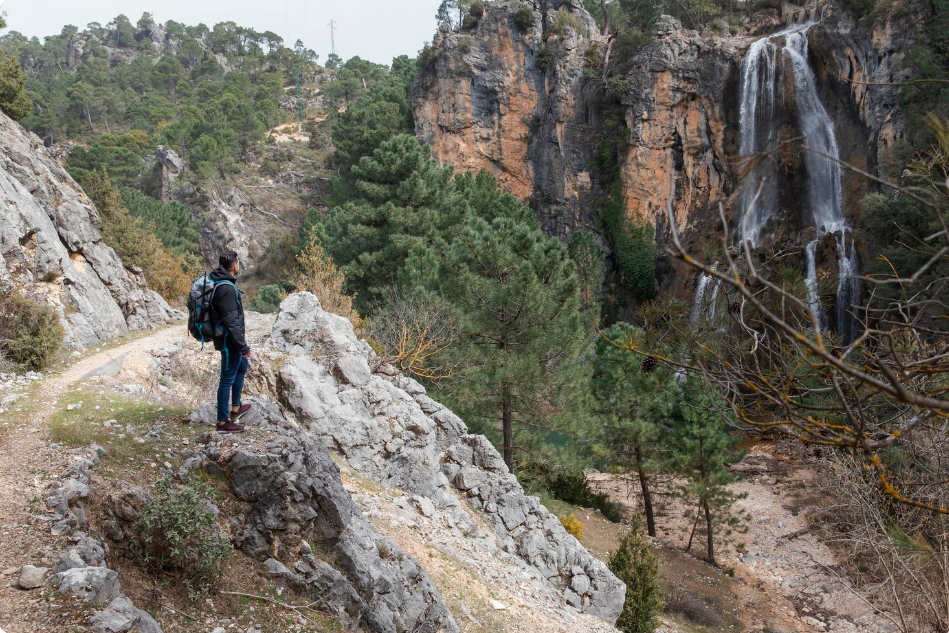
Hiking in Spain offers an impressive combination of mountains, coastlines, forests, valleys, volcanic landscapes, and historic countryside. The country’s geographical diversity means hikers can find everything from gentle coastal walks and countryside paths to demanding high-altitude mountain routes. Spain’s different regions also provide dramatically different scenery, making it possible to plan several hiking trips without repeating the same type of landscape. Whether you enjoy short day walks, long-distance trails, mountain trekking, or scenic routes near historic villages, Spain provides plenty of opportunities to explore the outdoors at your own pace.
Why Spain Is a Great Hiking Destination
Spain’s varied geography is one of its biggest advantages for hikers. The country contains several major mountain systems, Mediterranean coastlines, high plateaus, forests, valleys, and islands with unique landscapes.
This diversity means hikers can choose an environment based on their interests and experience. Someone looking for challenging mountain terrain can explore the Pyrenees, while a traveler seeking a relaxed coastal walk can choose routes along the Mediterranean or northern coastline.
Spain also has an extensive network of walking paths, rural trails, protected natural areas, and long-distance routes. Many routes pass through villages and historic landscapes, allowing hiking to become part of a broader cultural experience.
Hiking in the Pyrenees
The Pyrenees are among Spain’s most impressive mountain regions. Stretching along the northern part of the country, the range offers dramatic peaks, alpine valleys, lakes, forests, and rugged terrain.
Hiking routes in the Pyrenees vary from relatively accessible day walks to demanding multi-day mountain adventures. Elevation gain and weather conditions can significantly affect difficulty.
The region is particularly appealing during warmer months when many higher routes become more accessible. However, conditions can change quickly in the mountains, so hikers should always prepare appropriately.
For experienced hikers, the Pyrenees provide opportunities to explore remote landscapes and challenging terrain. Beginners can also find shorter routes in lower-elevation areas.
Picos de Europa
Northern Spain is home to the spectacular Picos de Europa, a mountain region known for steep limestone peaks, deep valleys, green landscapes, and dramatic viewpoints.
The terrain can feel rugged and mountainous, but the area contains routes with different difficulty levels.
Hiking here provides an opportunity to experience a landscape that differs significantly from the warmer Mediterranean regions. The combination of mountains, traditional villages, pastureland, and distinctive rock formations creates a memorable setting.
Weather can be unpredictable, especially in mountainous areas, so checking conditions before setting out is essential.
Sierra Nevada Hiking
Sierra Nevada in southern Spain offers a very different mountain experience. It contains some of the country’s highest peaks and provides extensive opportunities for high-altitude hiking.
The landscape changes with elevation, creating different environments along mountain routes. Lower sections may feature vegetation and open landscapes, while higher areas can become much more exposed.
Altitude should be considered when planning longer routes. Travelers who are not accustomed to higher elevations may need additional time to adjust.
Sierra Nevada can be an excellent choice for experienced hikers looking for challenging mountain terrain while also enjoying the culture and climate of Andalusia.
Hiking in Andalusia
Andalusia offers a wide variety of hiking experiences. The region includes mountains, white villages, Mediterranean landscapes, forests, gorges, and rural countryside.
One of the advantages of hiking in Andalusia is the ability to combine outdoor activities with cultural exploration. A hiking trip can include visits to historic towns, traditional villages, local food experiences, and architectural attractions.
The climate can be particularly warm during summer, especially in lower areas. For many routes, spring and autumn can provide more comfortable conditions for extended walks.
Camino de Santiago
The Camino de Santiago is one of Spain’s best-known long-distance walking experiences. Rather than being one single route, the Camino includes several pilgrimage routes leading toward Santiago de Compostela.
Different routes vary in length, terrain, scenery, and cultural character. Some pass through rural landscapes, forests, mountains, villages, and historic towns.
The Camino can appeal to both experienced long-distance hikers and travelers who want a slower journey through Spain. It is possible to walk only part of a route rather than completing an entire pilgrimage.
The social aspect can also be an important part of the experience, as walkers from different countries often share sections of the trails.
Coastal Hiking in Spain
Spain’s extensive coastline creates numerous opportunities for scenic coastal walks.
Mediterranean routes often combine rocky cliffs, beaches, small coves, and clear water. Northern coastal areas can offer greener landscapes, rugged cliffs, and a cooler atmosphere.
Coastal hiking can be particularly enjoyable because it combines physical activity with changing scenery. However, cliff edges require caution, especially during strong winds or wet weather.
Some coastal trails connect villages, allowing hikers to combine walking with local food and cultural experiences.
Hiking on the Canary Islands
The Canary Islands provide some of Spain’s most distinctive hiking landscapes. Their volcanic origins have produced craters, lava formations, rugged peaks, valleys, and unusual rock formations.
Tenerife is especially well known for mountain landscapes and volcanic terrain. Other islands also provide routes through forests, cliffs, and volcanic environments.
The climate varies by island and elevation, so hikers should not assume that conditions will be identical everywhere.
Volcanic terrain can also be physically demanding. Loose rock, steep slopes, exposed areas, and changing weather can influence route difficulty.
Hiking in Mallorca
Mallorca is often associated with beaches and tourism, but the island also has impressive mountain and coastal hiking opportunities.
The Serra de Tramuntana provides a particularly attractive setting, with rugged mountains, stone paths, terraced landscapes, villages, and Mediterranean views.
Mallorca works well for travelers who want to combine hiking with relaxation. A trip can include several active days followed by time at the coast.
Spring and autumn can be attractive seasons for hiking because temperatures may be more comfortable than during the hottest part of summer.
Spanish National Parks
Spain’s protected natural areas provide many hiking opportunities. National parks and other protected landscapes can include mountains, wetlands, forests, volcanic terrain, and coastal environments.
Walking in protected areas offers an opportunity to observe wildlife, plants, and geological features while following designated routes.
Rules can vary between parks. Some trails may require permits, have seasonal restrictions, or limit access to certain areas.
Responsible hiking is important in protected environments. Stay on marked routes when required, carry waste out, and avoid disturbing wildlife.
Choosing a Trail Based on Experience
Hikers should select routes based on more than distance. A short trail can be difficult if it includes steep climbs, exposed terrain, poor surfaces, or complicated navigation.
Beginners may want to start with well-marked trails featuring moderate elevation gain and accessible transportation.
Intermediate hikers can consider longer routes and more varied terrain.
Experienced hikers may prefer remote mountain routes, multi-day treks, or challenging elevation profiles.
Always examine the route’s elevation, surface, expected weather, navigation requirements, and estimated walking time before setting out.
Best Seasons for Hiking
Spain’s climate varies considerably between regions, so there is no single ideal hiking season for the entire country.
Spring can provide pleasant conditions in many areas, with vegetation becoming more active and temperatures often suitable for walking.
Summer may be excellent for high mountain routes but can become extremely hot in lowland and southern regions.
Autumn can offer comfortable temperatures and changing landscapes, while winter provides opportunities in lower areas but can bring snow and difficult conditions at higher elevations.
Research the specific destination rather than relying on general seasonal assumptions.
What to Pack for Hiking in Spain
Packing requirements depend on the length and difficulty of the hike.
Basic day hikes may require comfortable hiking shoes, water, food, sun protection, a map or navigation device, and weather-appropriate clothing.
Longer mountain routes require additional preparation, including extra layers, emergency equipment, and potentially navigation backups.
A lightweight rain jacket can be useful because mountain weather can change quickly.
Sun protection is especially important in exposed areas. Sunglasses, sunscreen, and a hat can help reduce exposure during long walks.
Food and Water on Hiking Trips
Food can be an enjoyable part of a hiking trip in Spain. Local bakeries, markets, cafés, and village restaurants can provide opportunities to experience regional cuisine.
For longer hikes, carry enough water for the route and understand whether reliable refill points are available.
Do not assume that a trail will have water simply because it passes through a rural or mountainous area.
High temperatures can increase water requirements, particularly on exposed trails.
Hiking and Spanish Culture
One of the most appealing aspects of hiking in Spain is the opportunity to combine nature with culture.
Trails often pass through villages, historic buildings, agricultural landscapes, churches, bridges, and traditional rural areas.
Long-distance routes can provide a slower way to experience the country than conventional sightseeing. Walking allows travelers to notice details that may be missed when traveling by car or train.
Local festivals, regional cuisine, architecture, and traditions can also add depth to a hiking itinerary.
Responsible Hiking
Responsible outdoor travel helps preserve Spain’s natural environments.
Follow local trail regulations, avoid leaving waste behind, and respect wildlife. Do not remove rocks, plants, or other natural features.
If a trail passes through private or agricultural land, follow posted instructions and remain respectful of local communities.
Keeping noise levels low can also help preserve the natural character of remote areas.
Safety Tips for Hikers
Before starting a hike, check the weather forecast and understand the route.
Tell someone where you are going if you are hiking alone or entering a remote area. Carry sufficient water and food, and make sure your phone or navigation equipment is charged.
Mountain routes can be more difficult than they initially appear. If conditions become unsafe or you become too fatigued to continue, reconsider the route rather than taking unnecessary risks.
Travelers unfamiliar with challenging terrain may benefit from joining a guided hike.
Final Thoughts
Spain offers an exceptional range of hiking experiences, from the high peaks of the Pyrenees and Sierra Nevada to the coastal paths of the Mediterranean and the volcanic landscapes of the Canary Islands. Long-distance routes such as the Camino de Santiago add cultural and historical depth, while regions such as Mallorca and Andalusia provide opportunities to combine outdoor adventures with food, architecture, and relaxation. The key to a successful hiking trip is choosing a route that matches your experience, preparing for regional weather conditions, carrying appropriate equipment, and respecting the natural environment. With thoughtful planning, Spain can provide everything from peaceful countryside walks to challenging mountain adventures.
Frequently Asked Questions
1. Is Spain good for hiking?
Yes. Spain offers a wide variety of hiking environments, including mountains, forests, coastlines, volcanic landscapes, valleys, and rural countryside. There are routes suitable for different experience levels.
2. What is the best region in Spain for hiking?
The best region depends on your preferred experience. The Pyrenees and Sierra Nevada are suitable for mountain adventures, while Andalusia, Mallorca, northern Spain, and the Canary Islands provide different combinations of scenery and terrain.
3. Can beginners go hiking in Spain?
Yes. Spain has many accessible trails suitable for beginners. New hikers should select well-marked routes with manageable distances and elevation gains before progressing to more demanding terrain.
4. What should I bring when hiking in Spain?
Essential items can include suitable footwear, sufficient water, food, sun protection, navigation equipment, and weather-appropriate clothing. Longer or more remote hikes require additional emergency and safety equipment.
5. When is the best time to go hiking in Spain?
Spring and autumn can offer comfortable conditions in many regions, but the best season depends on the destination and elevation. Summer can be suitable for some mountain areas but extremely hot in lower regions, while winter can bring snow and difficult conditions at higher elevations.