
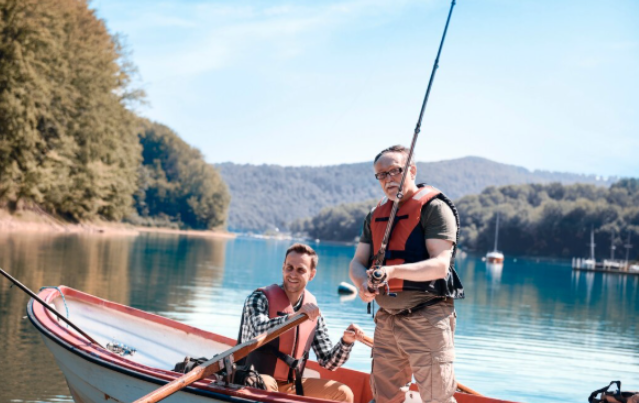
You wake up early in the morning, pack your rod, and drive two hours for fishing. Then you sit, wait, and catch nothing. This wastes a whole day. But worry not. When you plan well, you can save time, fish more, and guess less. Here is a complete guide to planning a perfect fishing trip.
Choose the Right Location and Timing
The fishing spot and time shape your whole experience. Pick the wrong location, and you may wait for hours. That is why you should start with the type of fish you want. Each kind likes a set spot, like bass like weed and cover, but the trout like cool, clean flow.
You should also match the water. For lakes, find drop-offs, weed beds, and points. However, for rivers, look for bends, deep pools, and slow runs. You will find fish in these spots. Time of day also matters a lot. Early morning and late evening work best, as fish eat more when the light is soft.
Moreover, in warm months, fish go deep by noon. But in cold months, they move slowly and stay low. You should adjust your plan according to the season. Wind also plays a vital role. A light wind can push bait to one side. However, the best approach is to mark two or three good fishing zones on a map. This gives you a plan B if one fails.
Check Fishing Report
Before you go, you must read a fishing report, as it gives real-time information. You should read what others have caught. Note the size, the depth, and the bait used. This can save you hours of trial. You should not just read one report. Check two or three to see a clear trend and write down key notes.
Moreover, you must check the weather for the day. Sudden rain or wind can affect your plan. Additionally, look at the water temperature, as it indicates how active fish may be. Warm water can boost feed while cold water can slow it. Also, check the water level and flow. High flow in a river can make fishing difficult.
Bring a Variety of Lures and Bait
One bait does not fit all. Fish can be picky. What works at one hour may fail the next. That is why you should pack a mix, including hard lures, soft baits, and live bait. This gives you a wide range. You should start with a search lure, as this helps you find fish fast. Once you get a bite, slow down and switch to a bait that keeps them there.
You should use light tones in clear water and bold tones in murky water. Fish need to see your bait. You should also change the size if the bites are small. If fish hit but do not hook, go down a size. And if there are no hits, try a new shape. You should keep your kit neat and organized, as this saves time when you need to switch fast.